
Sentinels of the Multiverse
Handelabra GamesBoard
3.8386.00 Reviews
- Version
- 4.1.3
- Installs
- 50.00K
- Age Rating
- Teen
Screenshots


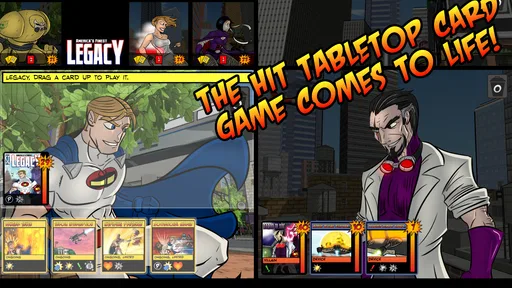
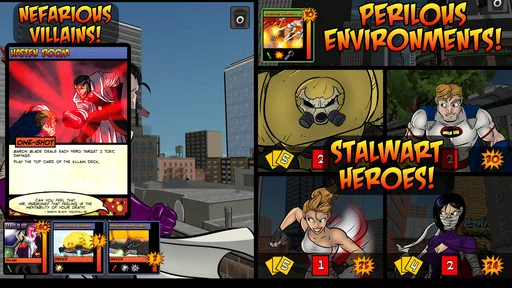
Our Review of Sentinels of the Multiverse
 Analysis by Appyee
When I spend a few spare minutes with a digital board game, I want to get into a match without first wrestling with the interface or guessing what my options mean. That balance is especially important in a superhero card game: the theme can draw me in, but the decisions have to keep me interested. Sentinels of the Multiverse is Handelabra Games’ mobile take on a cooperative tabletop-style battle, and I find it most appealing when I have enough time to follow a whole encounter rather than tap through a quick distraction.
Where the first match can feel demanding
The main adjustment is learning to read the situation while several heroes and a villain are doing their part in the same fight. This is not the sort of board game where I can rely on one simple move every turn; I need to pay attention to what my team can do and decide which threat deserves attention first. That gives the game its strategic character, but it also means a newcomer may feel slower than expected at the start.
My practical advice is to treat the first session as a learning run, not a test of how quickly you can win. Read the cards and consider how an ability might affect the team before committing to a plan. If the opening match seems busy, pausing to understand the board is more useful than trying to memorize everything at once. Players who enjoy learning a game through its decisions are likely to settle in; anyone looking for a very light, instantly understood pastime may find the early learning curve less welcoming.
Setup checks and a sensible way to begin
Before paying, I would make sure the device meets the game’s minimum operating-system requirement and leave enough time for a proper first session. It costs $6.99, with optional in-app purchases ranging from $0.99 to $29.99 per item, so I would also decide whether that purchase model suits my budget instead of assuming every available addition is included. The game is rated Teen, which is worth keeping in mind when choosing something to play with younger family members.
For a first run, I’d keep the goal modest: learn how the selected heroes work together and notice what the villain is doing, rather than trying to master every possible combination. A quiet moment at home is a better introduction than a rushed commute, where interruptions can make a multi-step tactical game harder to follow. Once the basic rhythm feels familiar, experimenting with different team choices becomes more rewarding because I can tell which decisions are changing the feel of a match.
Recovering your rhythm when a session goes sideways
If I lose track of a turn, I find it helps to stop and reassess the board rather than continue making moves on autopilot. Identify the most immediate problem, check what each hero can contribute, then choose a priority. This is a useful habit for a cooperative game because a team’s strength comes from choices working together, not just from picking the flashiest available action.
For ordinary technical snags, I would first check that the device is running a compatible operating system, then close and reopen the game and see whether the issue persists. If controls seem awkward, I’d try playing on a larger screen when one is available; card-heavy games can be easier to scan when the display gives the artwork and text more room. These are basic troubleshooting steps, not a promise that every problem has the same cause, but they help separate a momentary hiccup from a genuine mismatch between the game and the way I want to play.
When the game is not the right fit
Some frustrations are really about expectations. A person who wants a fast, casual card match may prefer a simpler mobile game, while someone who enjoys planning across a team is more likely to appreciate this one. Likewise, if you would rather play a competitive head-to-head game than cooperate against a villain, the central appeal here may not be what you are looking for. The game is built around a comic-book superhero premise, so it is also a less natural pick for someone who has no interest in that setting.
Its rating and audience figures give a useful sense of its place in the catalog: it has a 3.8 average from around 1,700 ratings, and more than 50,000 installs. I would treat those figures as context rather than a guarantee that it will suit me personally. The important question is whether I enjoy the combination of a superhero theme, card-based planning and a cooperative goal. Handelabra Games released it in 2014, and version 4.1.3 is listed for devices running version 7.0 or later; that operating-system floor is a quick compatibility check before buying.
Gameplay: A Superpowered Card Adventure
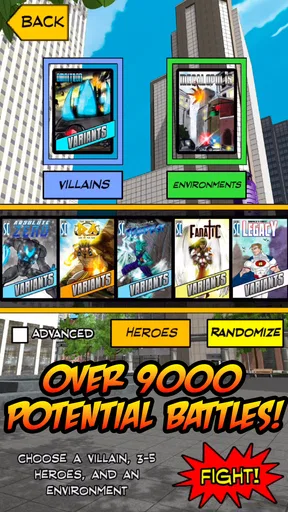
First things first, the gameplay in Sentinels of the Multiverse is nothing short of epic. You start by choosing your team of heroes, each with unique abilities and decks. The game then pits you against a dastardly villain in a battle to save the world. The goal? Use your strategic skills to outsmart the villain and prevent them from achieving their evil plans.
The beauty of this game lies in its variety. With numerous heroes and villains to choose from, each playthrough feels fresh and exciting. The game mechanics are easy to learn but offer a depth that keeps you coming back for more. Whether you're a newbie or a seasoned pro, you'll find something to love here.
Graphics and Sound: A Comic Book Come to Life
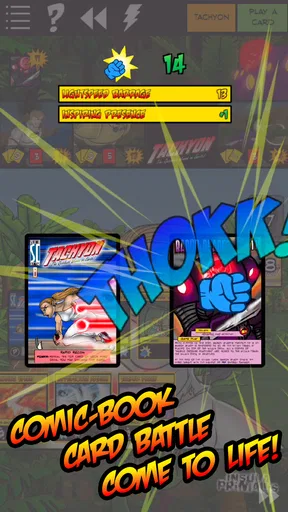
Visually, the game is a treat. The artwork is vibrant and reminiscent of classic comic book styles, which adds to the immersive experience. Each hero and villain is beautifully designed, with attention to detail that comic book fans will appreciate.
The sound design is equally impressive, featuring a dynamic soundtrack that heightens the tension during battles. The sound effects are crisp and perfectly timed, making every move and attack feel impactful.
User Interface: Smooth and Intuitive
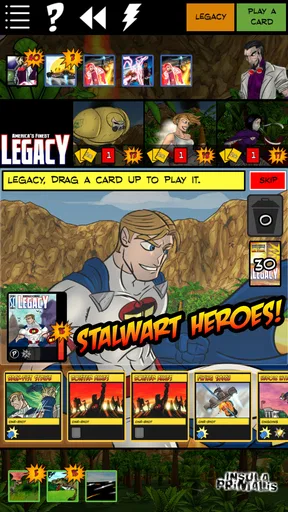
Now, let's talk about the user interface. Navigating through the game is a breeze, thanks to its intuitive design. The menus are straightforward, and the controls are responsive, which is crucial for a game that requires strategic thinking and quick decision-making. Whether you're playing on a phone or tablet, the game runs smoothly, ensuring an enjoyable experience.
Replayability: Endless Possibilities
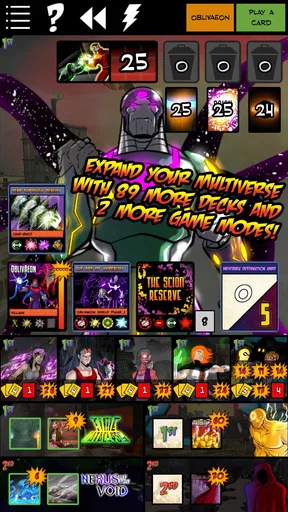
One of the standout features of Sentinels of the Multiverse is its replayability. With a plethora of heroes, villains, and environments to choose from, no two games are ever the same. The developers have done an excellent job of keeping the content fresh, with regular updates and expansions that introduce new characters and scenarios.
For those who love a challenge, the game offers various difficulty levels, ensuring that even the most experienced players can find something to test their skills. Plus, the cooperative nature of the game means you can team up with friends and tackle the villains together, adding a social element that's often missing in digital card games.
Choosing it over other board games
Compared with a typical digital board game built around a short hand of cards or a quick turn-by-turn duel, this one asks me to think about the group as a whole. Its appeal is less about outsmarting another person and more about coordinating a team against a shared obstacle. That distinction matters: it can be a satisfying solo planning puzzle for someone who likes managing several heroes, but it is not the best substitute for a lively competitive match with a friend.
In an everyday scenario, I’d choose it for an evening when a friend and I have time to settle in and talk through our decisions, or for a quiet night when I want a focused solo challenge. I would not pick it as my default game while waiting in a short queue. The useful trade-off is that the setup of a team and the tactical choices give a session more texture than a disposable card game, while also asking for more attention and patience.
Small habits that make sessions more satisfying
When trying a different team, I’d change one choice at a time instead of reshuffling everything between matches. That makes it easier to notice whether a hero’s style changes how I approach the villain, rather than attributing every difference to a completely new lineup. I’d also avoid judging a hero from a single move: in a team game, an ability that looks modest on its own may be useful because of how it fits with the others.
Another good habit is to decide what kind of experience I want before starting: a forgiving introduction or a tougher puzzle. The available difficulty settings make that choice relevant, and a hard match is not necessarily the best way to learn the game’s flow. If I’m introducing it to someone new, I’d explain the shared objective first, then let the card choices provide the detail as we play. That keeps the comic-book battle understandable without turning the first session into a lecture.
What I would check before committing
The game has a 3.8 average across around 1,700 ratings and 386 reviews, so I see a substantial audience response but not a reason to assume universal agreement. It is a paid game, and optional purchases can add to the cost; I’d look at what is offered in the app and decide whether the base experience is enough for me before spending more. Because the title has been around for years, I would also check that it still feels comfortable on my particular device rather than assuming an older game will suit every screen or setup equally well.
One question players often have is whether it is better for a newcomer to start alone or with someone experienced. I’d lean toward a patient first solo session if I want time to read and experiment, or a cooperative session with a friend who is happy to explain choices as they arise. If I mainly want a game that teaches itself in a few taps, neither route removes the strategic learning involved. Another practical question is whether a phone is enough: it can work for mobile play, but a tablet may make reading and comparing cards more comfortable for longer sessions.
Final Thoughts: A Must-Have for Card Game Enthusiasts
In conclusion, Sentinels of the Multiverse delivers a thrilling superhero experience wrapped in a strategic card game. With its engaging gameplay, stunning visuals, and high replay value, it's a game that promises hours of entertainment. Whether you're a fan of the original card game or new to the universe, this digital adaptation is well worth the download.
If you're ready to unleash your inner superhero, head over to your app store and give this game a try. Trust me, you won't be disappointed!
Verdict
Strengths of Sentinels of the Multiverse
- Engaging cooperative gameplay mechanics.
- Diverse hero and villain selection.
- Strategic depth with card interactions.
- High replayability with expansions.
- Immersive comic-style art and design.
Limitations of Sentinels of the Multiverse
- Steep learning curve for newcomers.
- Occasional bugs in multiplayer mode.
- Requires online connection for updates.
- Limited tutorial depth for beginners.
- Some UI elements feel cluttered.
Similar Picks in This Category
View All
Ludo King®
Gametion4.1

Ludo
Yarsa Games4.6

Tile Master® - Matching Game
Higgs Studio3.6

Checkers Online
CC Games4.6

Dominoes
Loop Games4.7

Chess
Chess Prince4.6
Frequently Asked Questions
What type of game is Sentinels of the Multiverse?
Sentinels of the Multiverse is a cooperative card-based strategy game where players assume the roles of superheroes defending the world from various villains. Each player selects a hero with unique abilities and works together to defeat the villain and their minions. The game combines strategic planning with a rich storyline, making it highly engaging for fans of superhero narratives.
Is Sentinels of the Multiverse suitable for solo play?
Yes, Sentinels of the Multiverse can be played solo. The game offers a solo mode where a single player can control multiple heroes, allowing for the full experience without needing additional players. This feature makes it accessible for those who enjoy single-player games or want to practice strategies before playing with others.
What platforms is Sentinels of the Multiverse available on?
Sentinels of the Multiverse is available on both Android and iOS devices. It offers a seamless experience across smartphones and tablets, allowing players to enjoy the game on the go. The cross-platform availability ensures that fans of the board game can enjoy the digital version regardless of their device choice.
Are there in-app purchases in Sentinels of the Multiverse?
Yes, Sentinels of the Multiverse includes in-app purchases. Players can purchase expansions that introduce new heroes, villains, and environments, enhancing the gameplay experience. While the base game offers substantial content, these expansions provide additional depth and variety for those looking to explore more within the game's universe.
How does multiplayer work in Sentinels of the Multiverse?
Sentinels of the Multiverse supports both local and online multiplayer modes. Players can team up with friends in the same room using one device or connect online with others to form a superhero team. The game’s multiplayer functionality allows for cooperative gameplay, enabling users to strategize and overcome challenges together.
Play our best games!


